Raccoon Removal in Lexington, KY

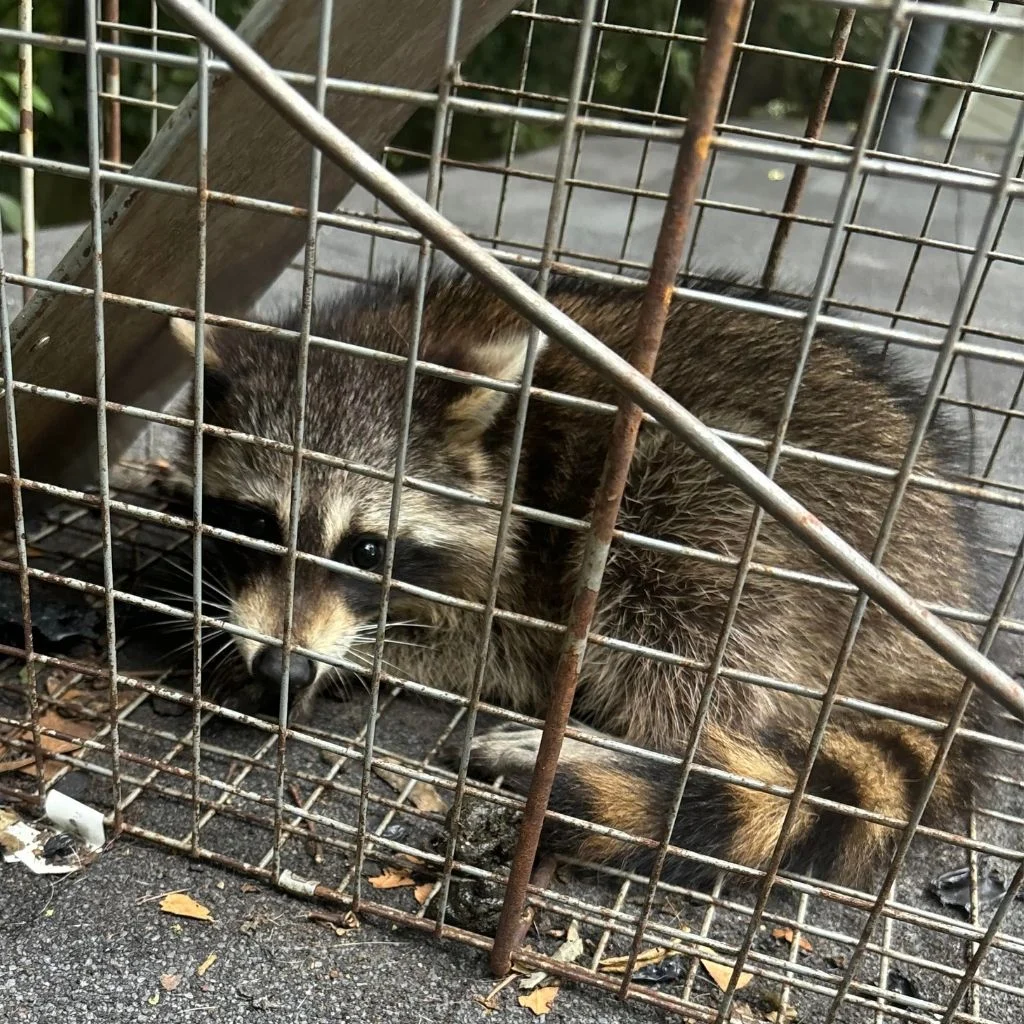
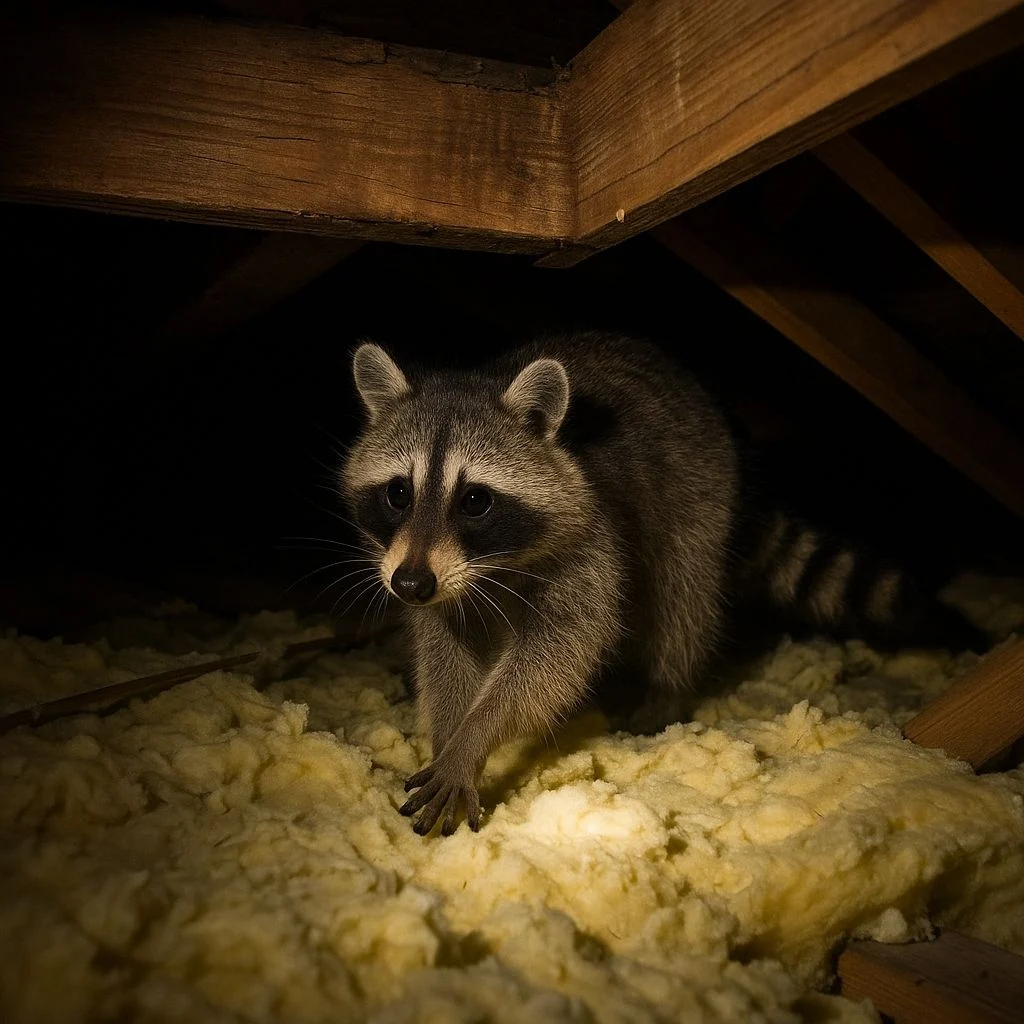
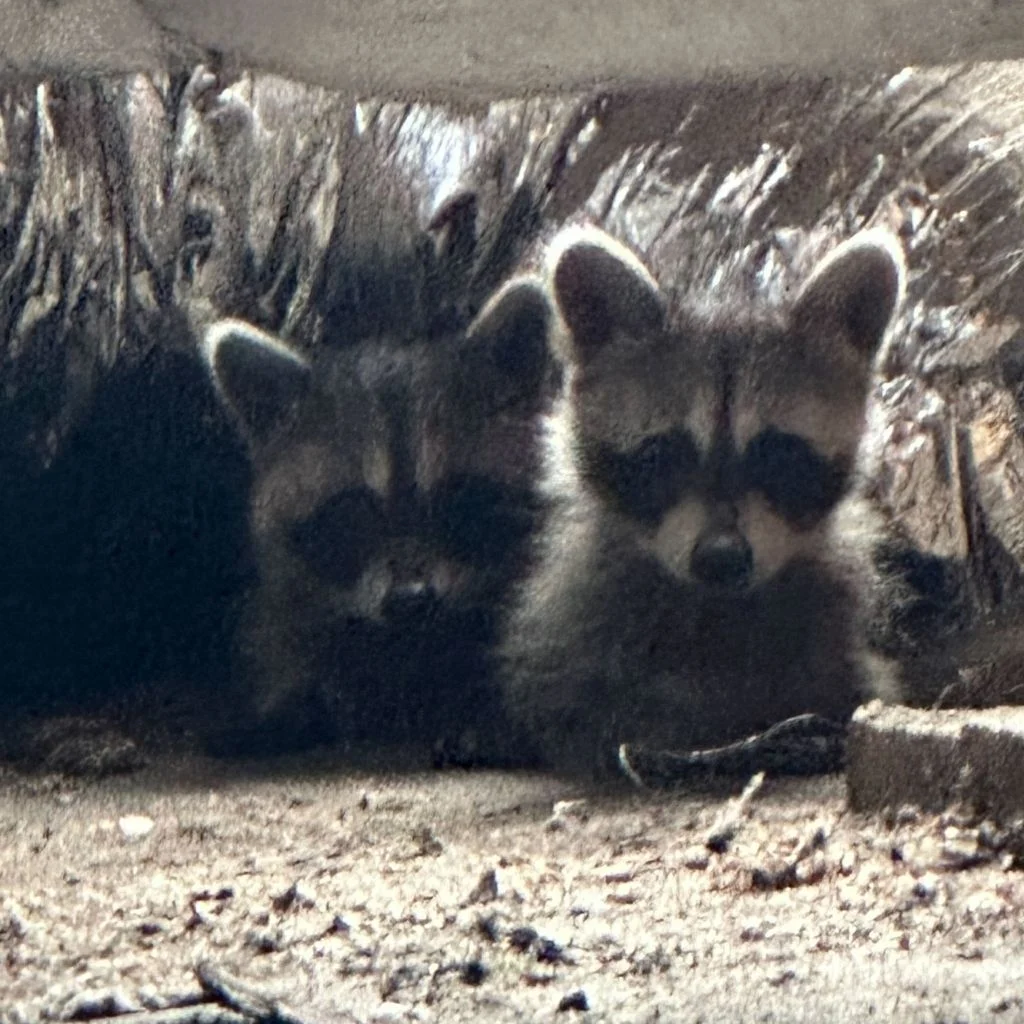
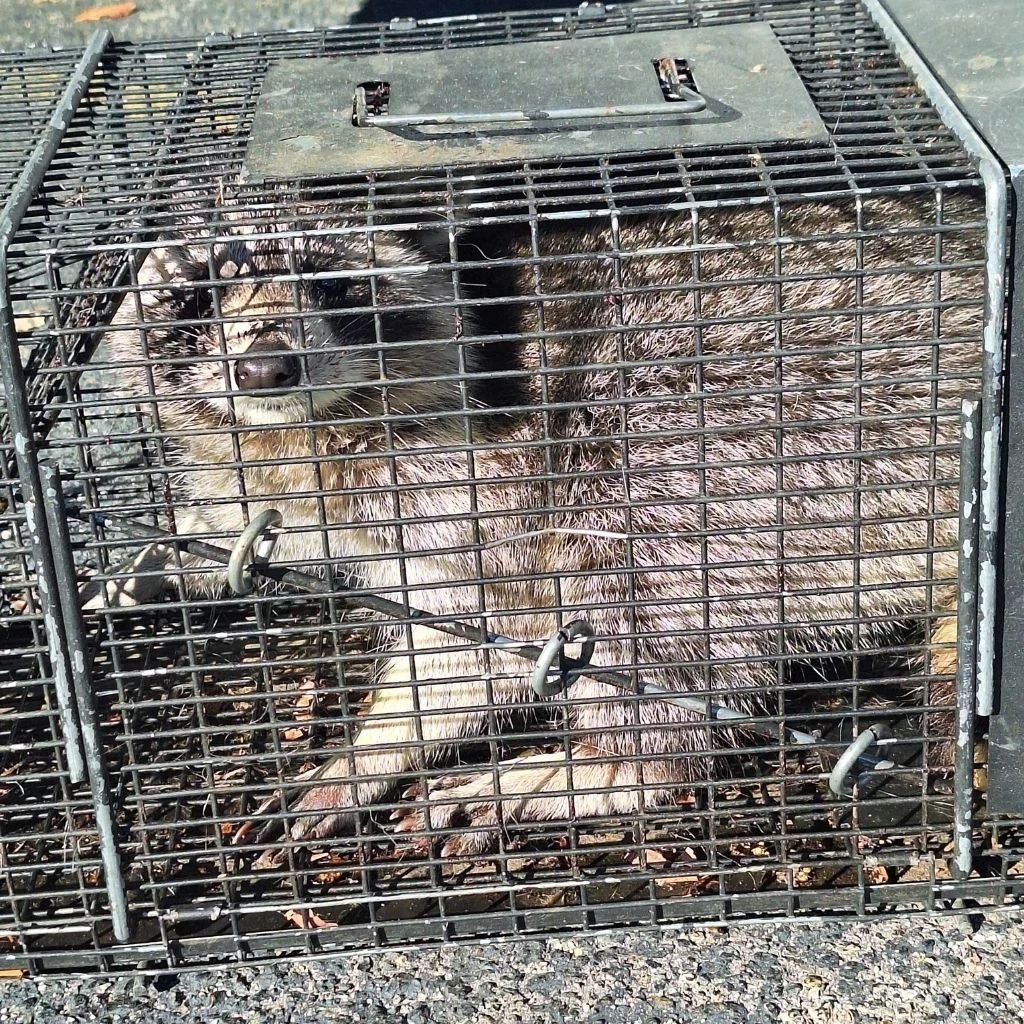
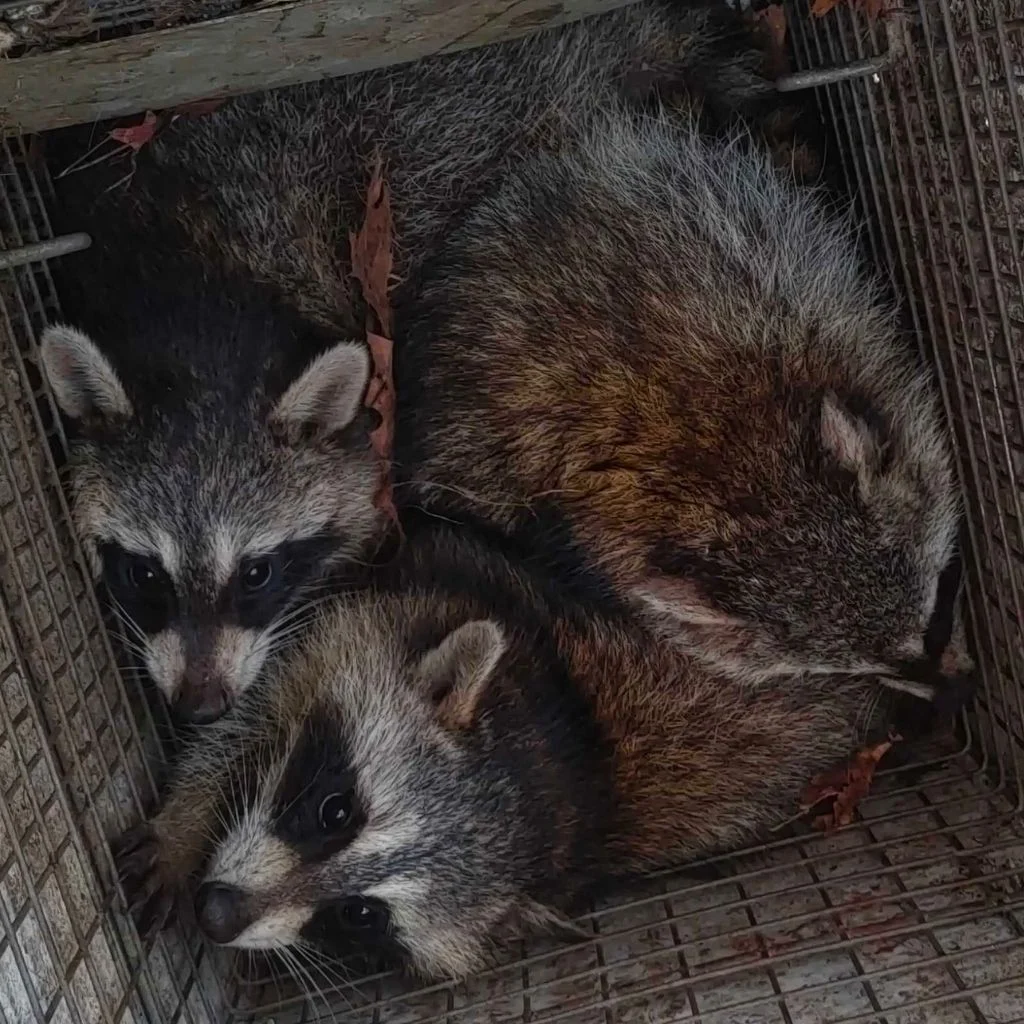
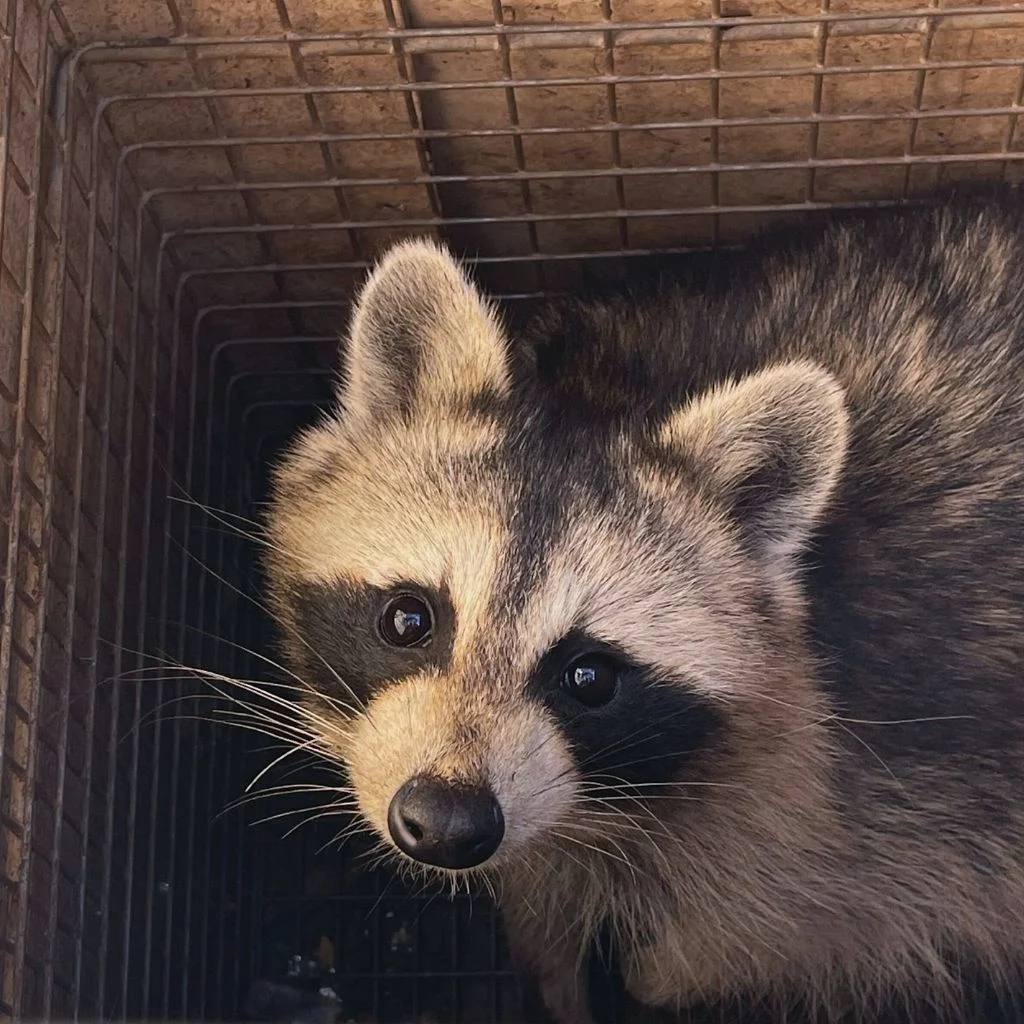
Raccoons are strong, destructive, and extremely good at finding their way into attics. Once they’re inside, they rip up insulation, tear holes through wood, and leave behind a mess of droppings and urine. If you’re hearing loud thuds or growling sounds at night, there’s a good chance you’ve got a raccoon problem.
At Complete Animal Removal, we’ve handled hundreds of raccoon infestations across Lexington. We know what to look for, how to get them out safely, and how to keep them from coming back. Contact us today to schedule your free raccoon removal inspection.
Common Signs of a Raccoon in the Attic
If you’re hearing what sounds like heavy footsteps or movement at night, it’s likely not a squirrel. Raccoons are much larger, and their activity is louder and more destructive. Here are the common signs of a raccoon in your attic:
Here’s what to watch for:
Loud thumping or walking overhead, often after dark
Growling, chattering, or squeaking noises at night
Insulation or ductwork visibly torn or pushed aside
Strong, musky odor from urine or feces
Entry holes near soffits, vents, or roof returns
If you’ve noticed any of the signs above, don’t put it off. There’s a good chance critters have been in your attic longer than you think. Contact us for a professional attic inspection to get a full scope of what you’re dealing with.
When Do Raccoons Usually Get Into Attics in Lexington?
In Lexington, we get the most calls during baby season when raccoons look for a warm, quiet attic to raise their young. Raccoon baby season in Kentucky typically falls between late winter and early summer, with birth occurring most frequently from March to May. Attics are ideal: dry, dark, and undisturbed. We also see a spike in infestations after windstorms or freeze-thaw cycles when vents or soffits get damaged. Even a small opening is enough for a raccoon to tear their way in.
Why Raccoons Are a Serious Problem
Raccoons aren’t just loud — they’re destructive and dangerous. Here’s why they need to be taken seriously:
Rip apart insulation, ductwork, and air barriers
Leave behind droppings that may contain roundworm eggs
Introduce fleas, ticks, and roaches into attic spaces
Carry diseases like leptospirosis and rabies
Cause strong odors that can spread into the rest of the home
We’ve seen Lexington attics with so much damage that entire sections of insulation and ceiling drywall had to be replaced. Raccoon urine can soak into wood framing and vapor barriers. Their feces may contain Baylisascaris, a type of roundworm that’s harmful to humans and pets if disturbed. Add in chewed electrical wiring or collapsed ductwork, and it’s not just a nuisance, it’s a hazard. That’s why fast, professional removal and cleanup matter.
Can I Remove Raccoons From My Attic Myself?
We understand the instinct to want to handle things yourself, but raccoons are not like squirrels or mice. Once inside, they claim that space and defend it.
Here’s why DIY raccoon removal is risky:
Raccoons are strong, unpredictable, and can become aggressive
Mothers with pups are highly defensive and may attack when cornered
Rabies and leptospirosis are both serious risks in confined spaces
It’s illegal in Kentucky to relocate wildlife without proper permits
DIY exclusion often misses hidden entry points or fails to address contamination
Most DIY jobs only solve the surface problem. We’re often called in weeks later to clean up bigger messes that could’ve been avoided. Let us do it right the first time, legally and safely.
Our Humane Raccoon Removal Process
We don’t cut corners. Every job we take on is handled with respect for the animal and the home.
Here’s how we remove raccoons from Lexington homes:
- Full attic and roofline inspection to locate all activity
Identify entry points, latrine areas, and nesting spots
Install humane traps or one-way doors
Monitor daily until all animals have exited
Secure and seal every access point
Clean up droppings, nesting debris, and urine-soaked insulation
Call today to schedule a free raccoon removal inspection.
Raccoon Damage Cleanup and Attic Remediation
Even after the raccoons are gone, their mess lingers. Waste left behind carries parasites, bacteria, and odor that can affect indoor air quality and attract other pests. In Lexington homes, we often find structural damage that needs repair before the space is safe again.
We help homeowners recover from damage like:
Feces and urine-soaked insulation
Torn or collapsed ductwork
Chewed electrical wiring
Damaged rafters or framing
Contaminated vapor barriers or drywall
Heavy odor that spreads into living spaces
Our team handles everything from insulation removal to full odor treatment, and we’ll walk you through what needs to be done step by step. Get your attic back to a clean, safe condition.
Raccoon Prevention and Wildlfie Exclusion in Lexington
In Lexington, older homes and those near wooded areas are the most common targets. Raccoons remember safe shelter locations and will return season after season if access points aren’t sealed.
Our prevention services include:
Sealing soffits, roof returns, attic fans, and gables
Installing raccoon-proof vent covers and chimney caps
Reinforcing damaged or vulnerable roof edges
Replacing loose siding, rotted trim, or unsecured access points
Checking garages, crawlspaces, and sheds for secondary entry
Our exclusion work uses materials strong enough to hold up to their strength, not just foam and mesh. We prevent the next problem while solving the current one. Ask about prevention during your inspection. It’s the most important step.
Raccoon Removal FAQs – Lexington, KY
Are raccoons dangerous to humans?
Yes. Raccoons can carry rabies, roundworms, and leptospirosis. Their droppings are hazardous, and if they feel threatened (especially with pups nearby) they may act aggressively. We never recommend approaching a raccoon in the attic on your own. Professional removal keeps both you and the animal safe.
What time of year do raccoons get into attics in Lexington?
Raccoons typically break into attics between late winter and early summer to give birth and raise their young. Spring is the most active season, but we also see a spike after storms when roof damage gives them an easy way in. If it’s between February and June and you’re hearing movement overhead, it’s best to call fast.
How much does raccoon removal cost in Lexington?
Costs vary depending on how many raccoons are present, how much damage has been done, and how difficult it is to access the attic or entry point. Jobs that include babies, insulation damage, or repairs will be more involved. We offer free inspections so you can get a clear picture before committing.
Can I just seal the hole and hope they leave?
It depends on your policy and the type of damage. Some insurance plans cover sudden and accidental damage caused by wildlife, like chewed wires or insulation, while others do not. Most policies don’t cover the actual removal or exclusion work. It’s best to contact your insurance provider for details.
How do you keep raccoons from coming back?
Wildlife exclusion is the process of sealing off a home or building to prevent animals from getting inside. At Complete Animal Removal, our team of professionals inspects the structure to identify all possible entry points (like gaps in the roofline, vents, soffits, or foundation). Then we repair any damage and seal gaps using durable materials to prevent future wildlife intruders. It’s a long-term solution that helps protect your home from repeat infestations. Contact us to get a free estimate today!
The Best Raccoon Removal Company in Lexington
If you’re hearing noises in the attic or spotting signs of damage, don’t wait until it gets worse. We’ve helped homeowners all over Lexington safely remove raccoons, clean up the mess, and seal the home to prevent future problems. We know what to look for, how to get the job done right, and how to protect your home long-term. From your first call to the final repair, we handle it all. Reach out today to schedule your free raccoon inspection and take the first step toward peace of mind.